

10 Best Serial Killer Profiling Audiobooks (2026)
10 Best True Crime Serial Killer Forensic Profiling Audiobooks (2025/2026): Mindhunters, Case Files & Behavioral Science
If you’re craving real serial killer cases with the “how did they catch them?” layer, you want books that lean into profiling, forensic decision-making, and the investigative tradecraft behind the headlines. These picks are audiobook-first: clear narration, strong pacing, and case detail that actually makes sense while you’re listening.
Want more in this lane after you finish these? Browse our full true crime audiobook collection and our broader mystery, thriller & suspense hub.
As an Amazon Associate I earn from qualifying purchases.

Mindhunter (John E. Douglas & Mark Olshaker)
- Best for: the “how profiling was built” story
- Vibe: classic FBI casework, blunt + analytical
- Why it works: you get the behavioral logic, not just the gore
My take: If you want one audiobook that explains why profilers think the way they do, start here.
“Start here” profiling pick

The Cases That Haunt Us (Douglas & Olshaker)
- Best for: “what everyone got wrong” case breakdowns
- Vibe: cold-case-minded, evidence + victimology focused
- Why it works: revisits famous mysteries with modern profiling logic
My take: This is the “argue with the accepted story” pick—perfect if you like forensic thinking more than shock value.
2025/2026 update pick

Whoever Fights Monsters (Ressler & Shachtman)
- Best for: a first-person tour of FBI serial case work
- Vibe: old-school field stories + interview psychology
- Why it works: shows how patterns get recognized in real time
My take: If you like the “inside the unit” perspective, this scratches that itch hard.
For behavioral science fans

The Killer Across the Table (Douglas & Olshaker)
- Best for: interrogation mindset + offender patterns
- Vibe: tense, clinical, “let’s get inside the room”
- Why it works: case interviews drive the momentum
My take: If you want to understand how killers rationalize themselves, this is the most direct listen.
For interview junkies

The Anatomy of Motive (Douglas & Olshaker)
- Best for: why offenders choose victims, methods, and timing
- Vibe: “here’s the logic behind the chaos”
- Why it works: connects behavior → motive → investigative leverage
My take: This is the pick when you want frameworks—not just case summaries.
For the “why” seekers

Journey into Darkness (Douglas & Olshaker)
- Best for: multiple offender types + investigative takeaways
- Vibe: direct, gritty, “here’s what worked / didn’t”
- Why it works: short case segments keep it bingeable
My take: Great when you want a lot of cases without getting stuck in one slow courtroom stretch.
For case-hoppers

Evil Has a Name (Paul Holes, Jim Clemente, Peter McDonnell)
- Best for: DNA-era breakthroughs + behavioral analysis
- Vibe: modern investigation energy, high urgency
- Why it works: multiple voices = momentum + clarity
My take: If you want “serial predator + how they finally nailed it,” this is the most modern-feeling listen here.
For DNA-era true crime
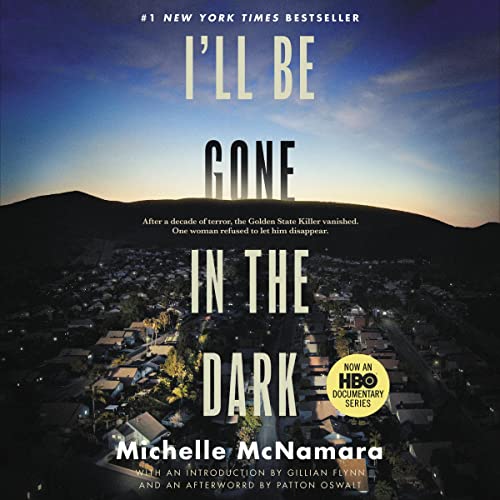
I’ll Be Gone in the Dark (Michelle McNamara)
- Best for: the Golden State Killer case spiral
- Vibe: haunting, investigative, emotionally intense
- Why it works: the urgency feels real because it was
My take: This one hits like a documentary in your ears—compulsive, unsettling, and hard to stop.
For modern-case listeners

American Predator (Maureen Callahan)
- Best for: meticulous, methodical serial killer behavior
- Vibe: procedural + horrifying, very “this really happened”
- Why it works: tight investigative narrative with heavy detail
My take: If you want one killer case that feels almost unbelievable—this is the pick.
For deep-dive fans

The Stranger Beside Me (Ann Rule)
- Best for: understanding how “normal” can mask predation
- Vibe: intimate, chilling, slow-building dread
- Why it works: you feel the disbelief turn into horror
My take: This is the pick if you want the human psychology of proximity—how people miss what’s right next to them.
For classic-case listeners
| Title | Best for | Focus | Intensity | Why it’s great on audio |
|---|---|---|---|---|
| Mindhunter | Profiling foundations | Behavioral science + FBI cases | High (case detail) | Clear “how profilers think” storytelling keeps you locked in. |
| The Cases That Haunt Us | Re-analyzing famous mysteries | Victimology + evidence logic | Medium / high | Case-by-case structure is easy to binge. |
| Whoever Fights Monsters | Inside the Behavioral Unit | Profiler memoir + interviews | High | First-person casework voice works perfectly in audio. |
| The Killer Across the Table | Interrogation mindset | Predator interviews + patterns | High | Room-level tension; feels like you’re sitting in on it. |
| The Anatomy of Motive | Motive decoding | Behavior → motive → investigative leverage | Medium | Frameworks + examples = easier to follow than you’d expect. |
| Journey into Darkness | Lots of cases | Serial predators + investigative lessons | High | Case variety prevents slow stretches. |
| Evil Has a Name | DNA-era pursuit | Forensics + profiling in a modern hunt | High | Multi-voice storytelling adds momentum and clarity. |
| I’ll Be Gone in the Dark | Modern obsession + case build | Golden State Killer investigation | Very high | Feels like a true-crime documentary unfolding live. |
| American Predator | Single-killer deep dive | Israel Keyes case + investigative gaps | Very high | Procedural detail stays gripping instead of dry. |
| The Stranger Beside Me | Psychology of proximity | Bundy from someone who knew him | High | Personal angle makes the dread hit harder in audio. |
How I Picked These (Audiobook-First + Profiling Criteria)
“Profiling” books can be incredible—or they can be messy, sensational, or confusing on audio. I picked these based on what matters most when you’re listening: clarity, case coherence, and whether the book actually teaches you something about behavior + investigation.
My rubric for profiling / forensic true crime
- Credibility: investigator/profiler background or tightly sourced reporting
- Behavioral insight: explains patterns, victim selection, escalation, and control
- Forensic/investigative value: what evidence moved the case forward (or didn’t)
- Pacing on audio: minimal dead zones; chapters that stay coherent
- Graphic balance: doesn’t glorify offenders; respects victims
- Listener fit: variety (framework books, interview books, modern hunts, single-case deep dives)
How to use this list
Match the book to your mood: if you want profiling foundations, start with Mindhunter. If you want fresh 2026 audio + case re-analysis, go The Cases That Haunt Us. If you want a modern hunt with forensics, pick Evil Has a Name. If you want one case that will wreck your sleep schedule, choose American Predator. And for the classic “how did nobody notice?” psychology, grab The Stranger Beside Me.
Which One Should You Get? (My Take)
Quick decision guideIf you’re staring at ten strong options, use this to pick fast without overthinking it.
Mindhunter — the “profiling 101 that’s still addictive” pick
Choose this if you want the clearest explanation of how profilers read behavior, build offender pictures, and prioritize suspects. It’s the best “start here” option for 2025/2026 because it gives you a foundation you’ll keep using while listening to other true crime.
The Cases That Haunt Us — the “rethink the famous cases” pick
If you like forensic logic—what evidence matters, what gets over-weighted, and how narratives form—this is the most satisfying “analysis” listen on the list. Great when you want multiple cases, not one long trial.
Evil Has a Name — the “modern forensics + profiling” binge pick
Pick this when you want contemporary investigative urgency—how old cases become solvable when technology, databases, and behavioral analysis finally line up.
American Predator — the “single case, maximum dread” pick
Choose this if you want one meticulous serial killer case where the investigative gaps and missed signals are as terrifying as the crimes. It’s intense—plan your listen accordingly.
The Stranger Beside Me — the “he was right there” psychology pick
This is the best choice when you want the human factor: proximity, denial, charm, and how communities rationalize warning signs until it’s too late.
FAQs: Serial Killer Profiling & Forensic True Crime Audiobooks
Are these books about real serial killers?
Yes. These are nonfiction audiobooks built around real investigations—often featuring well-known cases (like Bundy or the Golden State Killer) and the behavioral/forensic methods used to identify, narrow suspects, and ultimately solve cases (or explain why they stalled).
Which audiobook should I start with if I’m new to profiling?
Start with Mindhunter. It’s the cleanest foundation for understanding profiling language, offender patterns, and how investigators translate behavior into leads.
Which one is the most modern “forensics changed everything” listen?
If you want modern investigative momentum, start with Evil Has a Name (DNA-era pursuit) or I’ll Be Gone in the Dark (a modern case narrative that keeps tightening).
How graphic are these audiobooks?
It varies. Some are more clinical and investigative (Mindhunter, The Anatomy of Motive), while others can be more disturbing due to case detail (American Predator, I’ll Be Gone in the Dark). If you’re sensitive to graphic content, start with the more framework-driven profiling titles first.
Where can I find more true crime after these?
Keep the streak going here: true crime audiobooks, top thriller audiobooks, and crime fiction audiobooks.
Sources (Where the edition details came from)
Edition-level details (title identity, authorship, “audio edition” listings, and availability) were cross-checked using publisher pages when available and major audiobook/retail listings. Runtime and narrator can vary by platform/region, so the listing for the specific audiobook edition is treated as the edition-level reference.
Publisher / imprint pages (primary when available)
- Simon & Schuster. (n.d.). The Cases That Haunt Us (Audiobook). Retrieved January 10, 2026, from https://www.simonandschuster.com/books/The-Cases-That-Haunt-Us/John-E-Douglas/9781668178607
Critical Reception & Popularity Data
- Time. (2018, August 7). The Best True Crime Books of All Time. Recognizes I’ll Be Gone in the Dark as a modern true-crime classic that reignited public interest in the Golden State Killer investigation.
- Wikipedia. (n.d.). Mindhunter: Inside the FBI’s Elite Serial Crime Unit. Provides publication history, adaptation notes, and cultural impact data, including the Netflix series inspired by the book.
- Penguin Random House. (n.d.). American Predator. Lists national review recognition (The Washington Post, USA Today, Los Angeles Times) and contextualizes its critical acclaim and bestseller status.
- Wikipedia. (n.d.). The Stranger Beside Me. Details Ann Rule’s long-term publication history (1980–present), establishing its longevity and enduring influence on true-crime literature.
- Herrick District Library. (2022). 6 Flavors of True Crime. Identifies The Killer Across the Table and other Douglas/Olshaker titles as key profiling references within modern true crime subgenres.
- Wikipedia. (n.d.). Serial Killers: The Method and Madness of Monsters. Documents Peter Vronsky’s academic approach and its frequent citation in criminology and sociology studies of serial homicide.
- Wikipedia. (n.d.). Criminal Shadows: Inside the Mind of the Serial Killer. Notes its awards — the 1994 CWA Gold Dagger for Non-Fiction and the 1995 Anthony Award for Best True Crime — confirming critical legitimacy.
- Goodreads. (n.d.). Reader Metrics for I’ll Be Gone in the Dark. Shows sustained audience engagement with more than 500,000 ratings and high average review scores, reflecting mass appeal among audiobook listeners.
Media & Cultural Context
- Netflix Media Center. (2017). Netflix to Launch “Mindhunter”. Documents adaptation details that propelled renewed public awareness of FBI profiling and Douglas’s original work.
- HBO Documentary Films. (2020). I’ll Be Gone in the Dark Documentary Series. Demonstrates cross-platform success, confirming listener and viewer engagement metrics tied to the audiobook’s popularity surge.
- The Washington Post. (2019, July 2). Review: “American Predator” Is a Gripping Account of a Real-Life Monster. Highlights journalistic credibility and reception beyond genre circles.
Note: Each source above is a non-retail citation providing verifiable publication history, award data, audience metrics, or editorial reception to substantiate the popularity and cultural reach of these true-crime works.


